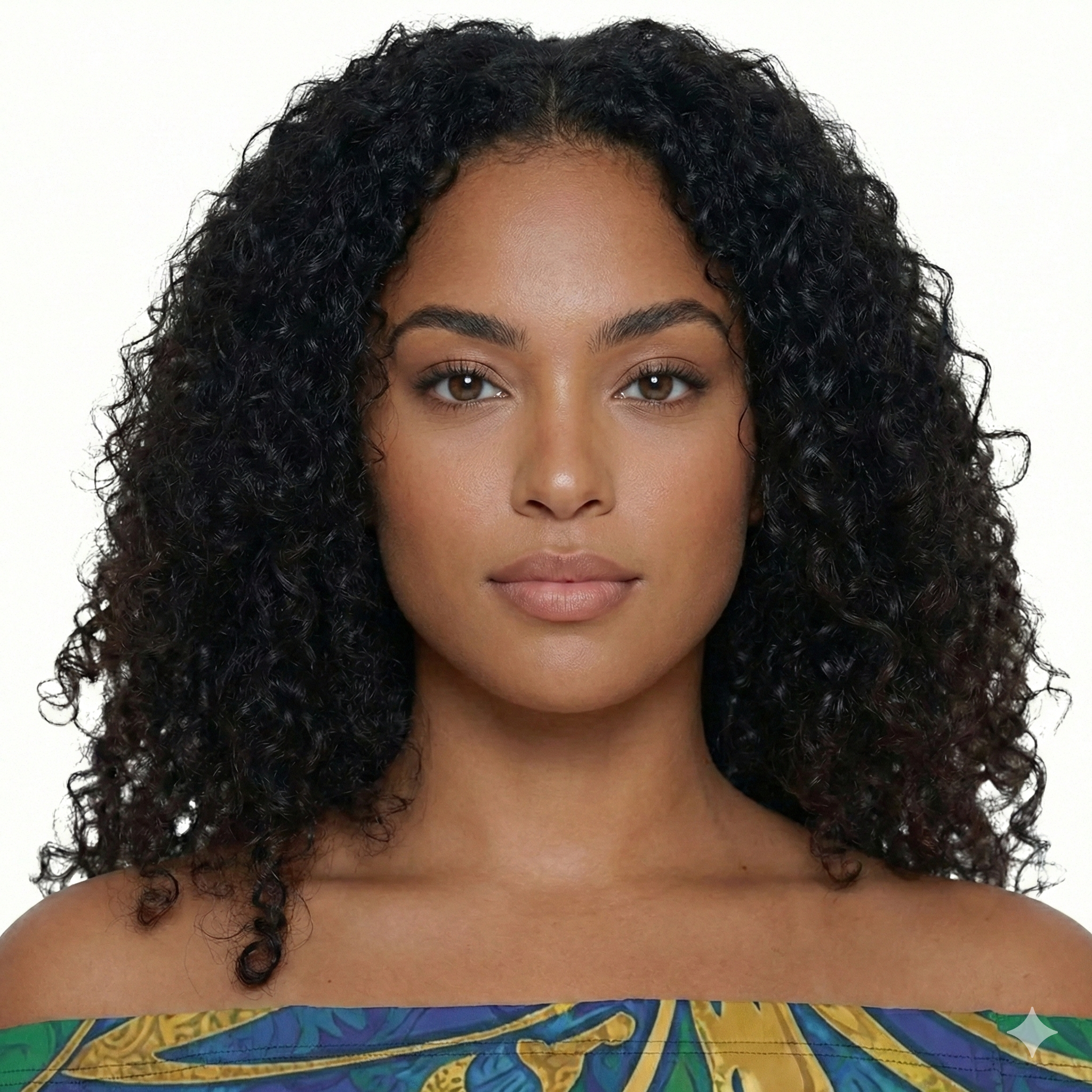
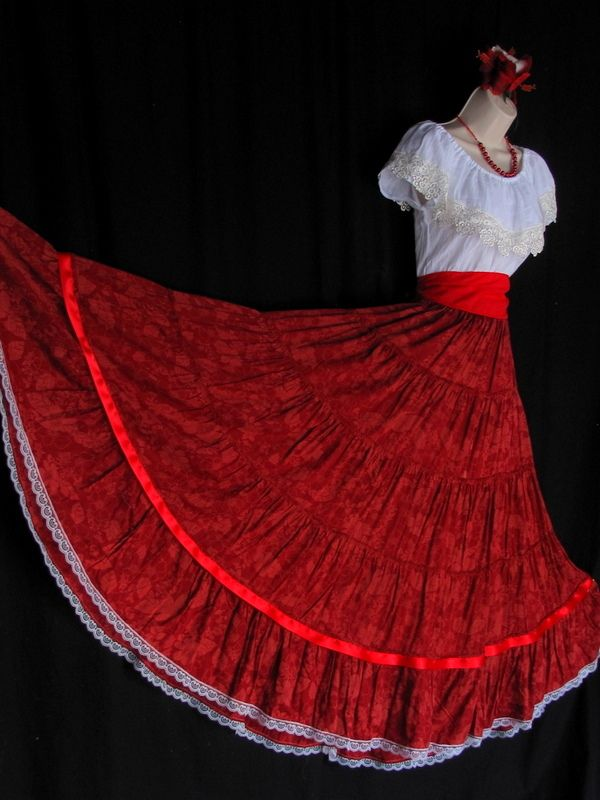
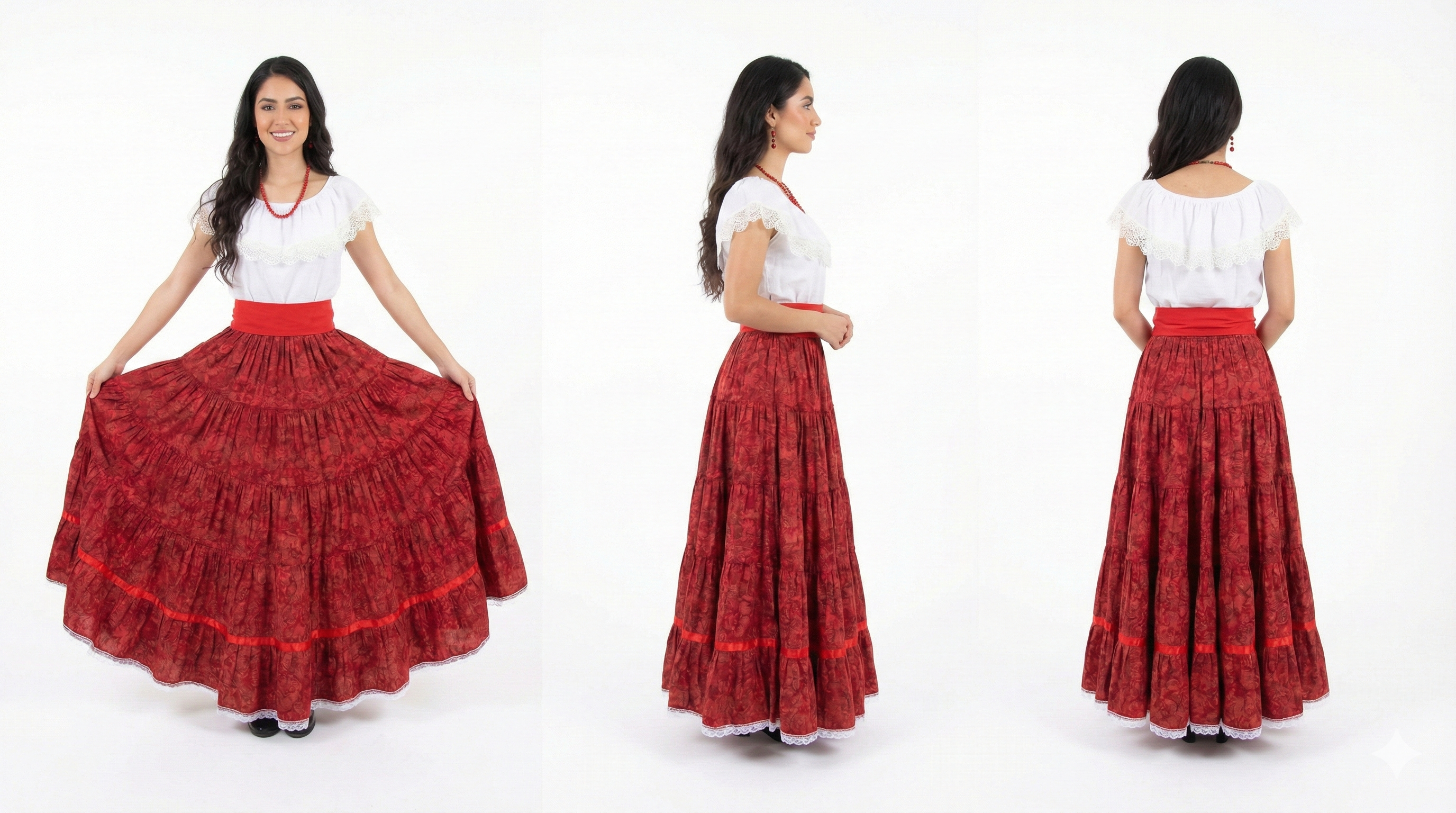
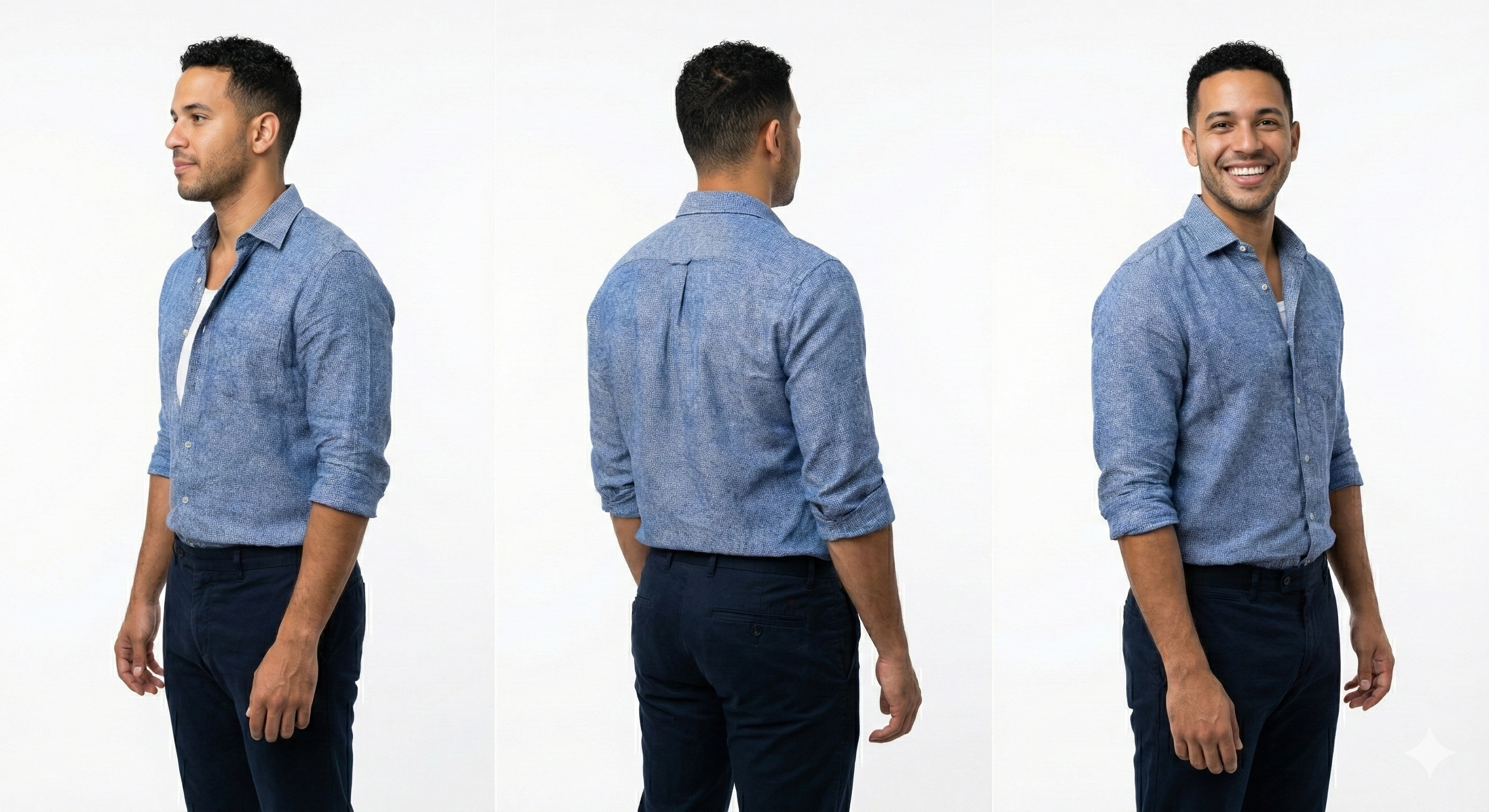
Scene 01
Drone Descent
Cinematic drone shot begins at cloud level, slowly descending toward a Puerto Rican neighborhood.
Camera finds specific house exterior, then continues movement through window or transition effect
into
interior matching the generated living room. Establishes geographic and cultural context while
creating seamless exterior-to-interior transition that grounds the narrative in specific place.
Scene 02
Guilty Contemplation (Living Room)
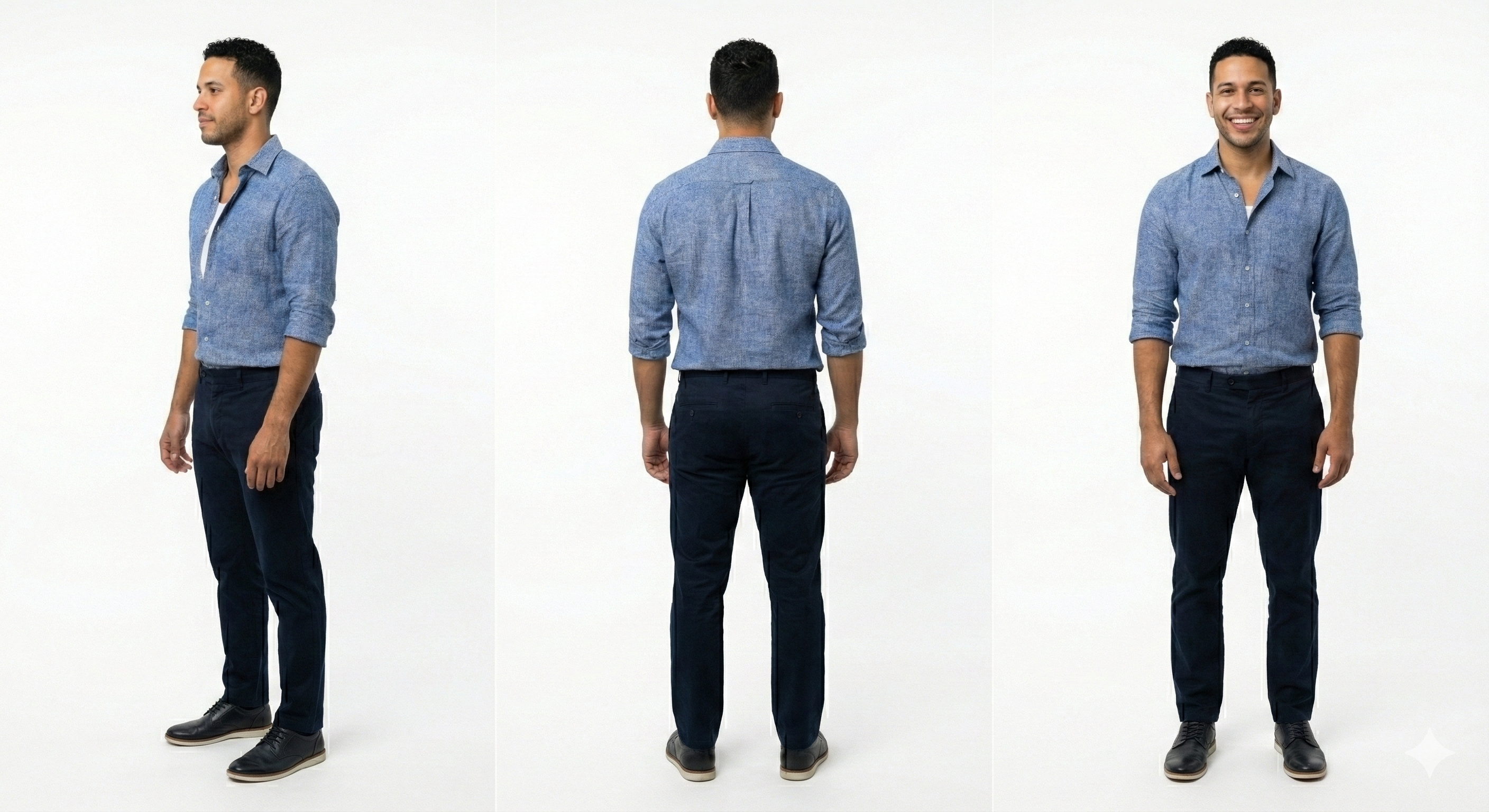
The protagonist sits alone in the living room, posture collapsed, face expressing guilt and internal
conflict. He appears to be thinking about his mistakes, replaying events, confronting his role in
the
situation. Camera slowly pushes in toward him, tightening frame to emphasize isolation and internal
turmoil. Multiple shot variations provide editing flexibility for pacing emotional beats to music.
(124 BPM sync)
Scene 03
Front Door Guilt
Same emotional state and cinematography as Scene 2, but relocated to front door area interior. Visual
variety maintains viewer engagement while the repeated emotional beat emphasizes the inescapability
of
his guilt—it follows him room to room, space offers no refuge from internal accusation. Location
changes reinforce that this isn't momentary feeling but pervasive state.
Scene 04
Kitchen Guilt
Third iteration of the contemplative guilt sequence, now in kitchen setting. The repetition across
three distinct locations creates visual rhythm that mirrors the obsessive nature of guilt—thoughts
that loop regardless of external environment. By the third iteration, viewers understand this is his
constant state, not momentary reaction.
Scene 05
The Accusation (Living Room)
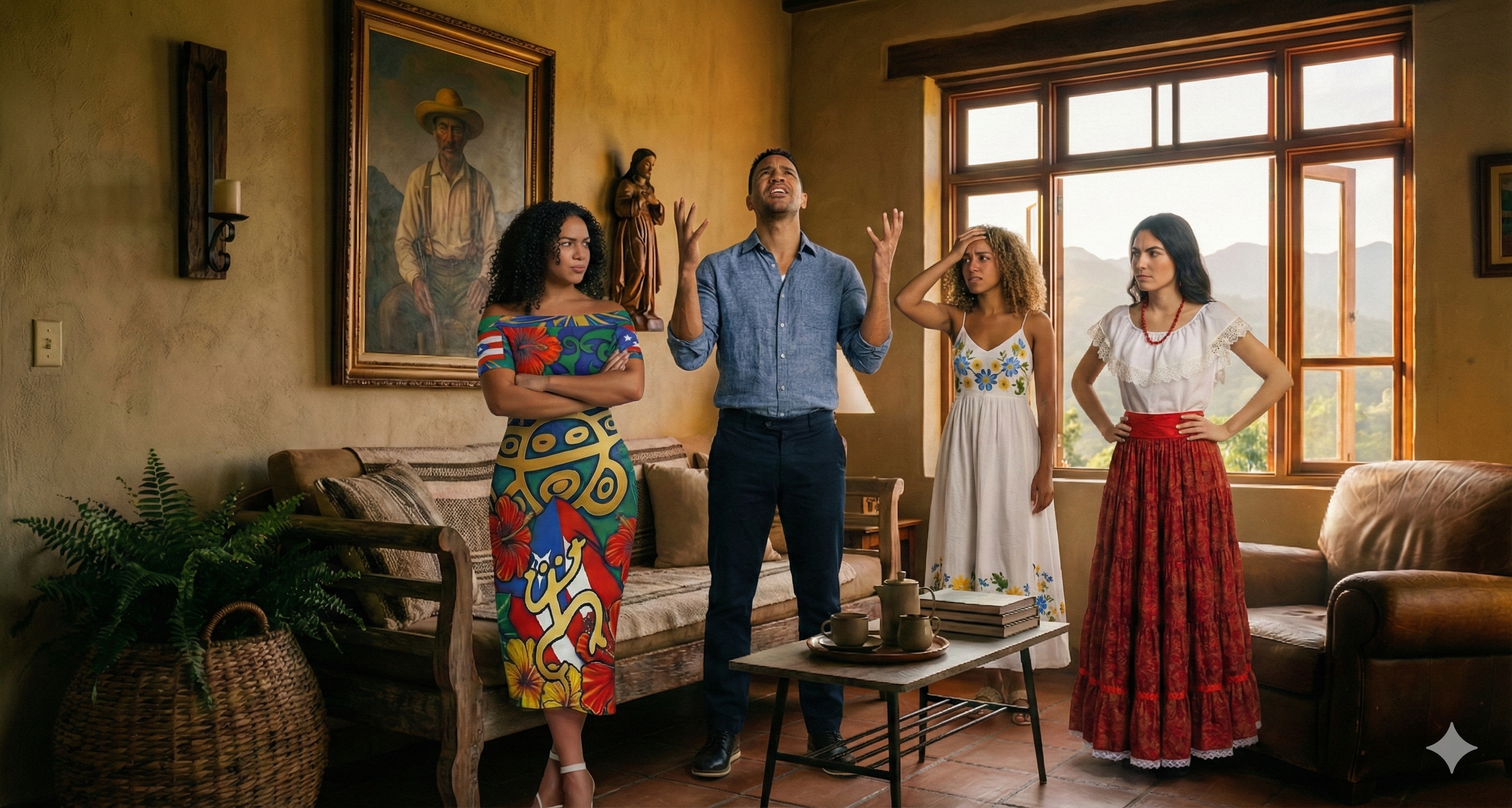
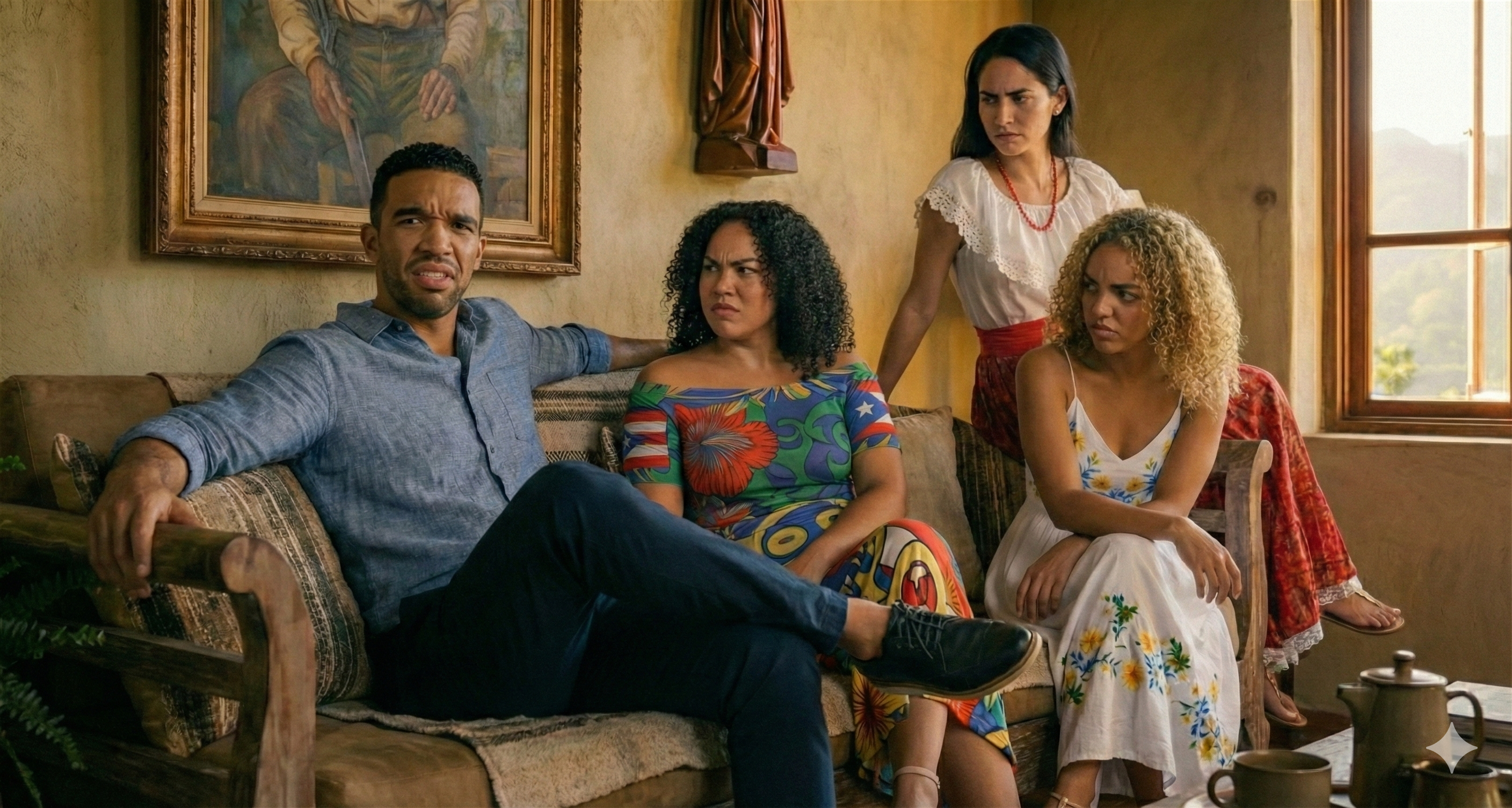
Three women surround the seated man, gestures and expressions accusatory. They blame, argue, point—
their body language aggressive while his is defensive and collapsed. Camera movement closes in on
the
confrontation, intensifying claustrophobic sense of being trapped by consequences of his actions.
This
scene visualizes what Scene 2-4 internalized: the accusations he hears in his head made external and
physical.
Scene 06
Night Party Discussion
Women discuss the protagonist's wrongdoings while he stands nearby at nightclub/party setting,
frustrated and unable to defend himself. They're evaluating him in his presence, treating him as
object of discussion rather than participant in conversation. The party setting—typically
celebratory—
becomes arena of judgment, social space transformed into court of public opinion.
Scene 07
Women's Liberation Dance (Club)
Three women dance together happily, synchronized to 124 BPM in 9B Camelot. Their joy is palpable and
infectious—this is liberation, freedom from the drama and disappointment he represents. They move
together in solidarity, their shared rhythm suggesting mutual support and independence from him.
Club
setting emphasizes their choice to be in public space, visible, unburdened.
Scene 08
Night Party Dancing
Continuation of the liberation dance theme, now in party setting with different lighting and
atmosphere. Multiple shots generated provide editing variety while maintaining the essential
message:
these women have moved on, found joy independent of him, created their own narrative where he's no
longer central character. Their synchronized dancing embodies collective strength. (124 BPM, 9B
Camelot sync)
Scene 09
Persona 1 Departure
Woman 1 argues with the man in living room, their exchange heated. She leaves him disappointed and
frustrated—her departure is decisive, final. Multiple shot variations capture different angles and
emotional beats of the confrontation and exit. This is the first concrete departure, transforming
abstract tension into narrative consequence: she chooses to leave.
Scene 10
Persona 2: The Kiss Goodbye
Woman 2 appears at front door with luggage and bags—her departure is prepared, considered, not
impulsive. The man follows, pleading, asking why she's leaving. She turns to him, kisses him (moment
of tenderness amid finality), opens the door, and exits. The kiss complicates the narrative—it's not
pure anger but sad recognition that love isn't sufficient reason to stay. The threshold becomes
literal and symbolic boundary she crosses.
Scene 11
Post-Departure Devastation
After Woman 2's departure, he remains by the front door, processing what happened. Frustration mixes
with disbelief and loss. This quiet moment of realization—she actually left, this is real—provides
emotional caesura between the departures, allowing the weight of consequences to register before the
narrative continues.
Scene 12
Persona 3 Kitchen Exit
Woman 3 argues with him in kitchen, then leaves, her departure making him disappointed and
frustrated.
By the third departure, pattern is established: regardless of location or specific dynamics, the
result is the same—they all choose to leave. The kitchen setting (domestic heart of home) makes this
final departure particularly symbolic of domestic life's complete dissolution.
Scene 13
Persona 1: Liberation Dance (Living Room)
Woman 1 dances sensually and confidently to 124 BPM, 9B Camelot in the living room—the same space
where she argued with him. Camera moves from distance to close-up, capturing her movements and
beauty.
Multiple shots emphasize her reclamation of this space, transforming site of conflict into space of
personal expression. She's no longer defined by relationship with him.
Scene 14
Persona 2: Front Door Reclamation
Woman 2 dances sensually at the front door area—the threshold she crossed to leave. Camera movement
from distance to close-up captures her choreography and confidence. Dancing at the exit point
suggests she's not fled but triumphantly departed, not escaping but choosing. The doorway is no
longer about leaving him but about her own movement through space. (Multiple shots, 124 BPM, 9B
Camelot)
Scene 15
Persona 3: Kitchen Joy
Woman 3 dances sensually in kitchen, camera tracking from distance to intimate close-up. Like the
previous two, she transforms the space associated with him and conflict into arena of personal
expression and joy. The three individual dances in three locations create visual triptych: each
woman
reclaiming her own space, moving to her own rhythm, beautiful and complete without him.
Scene 16
The Bad Haircut
The man gets haircut at traditional Puerto Rican barber shop. He's disappointed with the result—
another small loss of control, another thing going wrong. Camera close-up on his face then pulls
back
to reveal full scene. The bad haircut serves as visual metaphor for his inability to maintain even
basic self-presentation, his life unraveling in both major and minor ways.
Scene 17
Empty Wallet
He checks his empty wallet while walking through crowded shopping mall corridor, worried and anxious.
Camera close-up on the wallet then pulls back as he walks. The empty wallet visualizes financial
consequences potentially connected to his romantic failures—resources depleted, nothing left to
offer.
The crowded corridor emphasizes his isolation: surrounded by people engaged in consumption and
normalcy while he confronts scarcity and loss.
Scene 18
Collective Joy (Finale)
All three women dance together in unison, synchronized choreography to 124 BPM, 9B Camelot in house
open area/outdoor space. They move with identical steps—visual representation of solidarity,
sisterhood, collective strength. Camera moves from close-up to distance, revealing they're happy,
liberated, complete. Multiple shots provide editing options for the climactic finale. Their unified
dance is the resolution: not reconciliation with him but celebration of freedom from him.
Upscaling & Frame Rate Enhancement
All scenes upscaled from generation resolution to 4K using Topaz Video AI, with frame rate interpolation
from source to 60 FPS. This technical enhancement ensures professional visual quality that matches
contemporary music video standards. The 4K resolution allows for digital zooms and reframing in post
without quality loss, while 60 FPS creates smooth motion particularly important for dance choreography
where every movement beat should be clearly visible.
Editorial Synchronization
All footage edited in DaVinci Resolve with meticulous attention to musical synchronization—cuts,
movements,
and emotional beats aligned to the 124 BPM rhythm in 9B Camelot key. This isn't merely cutting on beat
but understanding song structure: verses, pre-choruses, choruses, bridges each have distinct emotional
qualities that should be reflected in scene selection and pacing. The dance sequences particularly
benefit
from frame-accurate editing where every body movement hits on or accentuates musical accents.
Narrative-Musical Integration
The editing process treated music not as background but as co-narrator: lyrical content informed scene
selection, instrumental breaks provided space for visual storytelling without dialogue, energy shifts in
the music mapped to emotional shifts in narrative. For instance, the women's liberation dances occur
during high-energy choruses, while the protagonist's isolated contemplation appears during verses or
stripped-down instrumental moments. This integration creates audiovisual synthesis where meaning emerges
from the relationship between what we see and what we hear.
Color Grading & Visual Continuity
DaVinci Resolve's color grading tools unified the visual palette across all generated scenes, AI
backgrounds, and character integrations. The color scheme—vibrant greens, warm yellows, passionate
pinks,
and dramatic reds—references both Puerto Rican cultural color preferences and the emotional spectrum of
the narrative. Green suggests growth and the natural world, yellow embodies joy and liberation, pink
represents romance and sensuality, red signifies passion and conflict. These colors were enhanced in
post-production to create cohesive visual language that supports storytelling.
Project Reflection: "Rosalina" demonstrates the iterative nature of AI-assisted
storytelling—the distance between initial generation and final vision requires patience, prompt
refinement, and willingness to regenerate until the emotional and cultural authenticity is achieved.
Technical excellence (4K, 60 FPS, color grading) serves the narrative rather than overshadowing it.
The project proves that AI can help tell culturally specific stories when creators invest in research,
iteration, and post-production craft, transforming generated assets into cohesive narrative that
respects
its cultural context while exploring universal themes of guilt, loss, and the possibility of redemption—
even if that redemption belongs to those who chose to walk away.